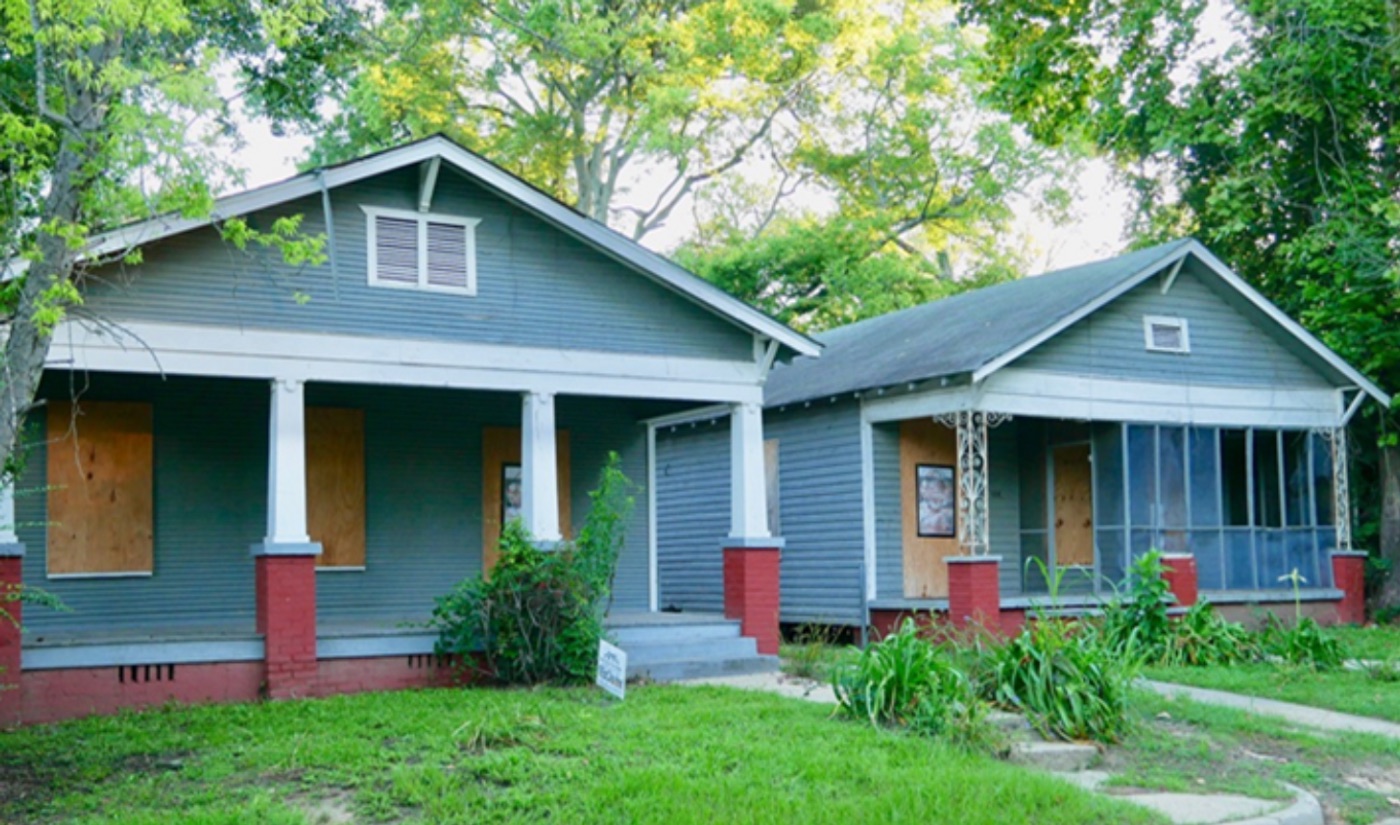
From the laundry yard to the birth room
Two houses, one history of resilience.
The Scott Ford Houses tell a story about Black women's care work as survival, leadership, and knowledge in Mississippi.
Mary Green Scott was born enslaved and built independence through domestic and laundry work. After years of saving, she purchased land on East Cohea Street and, between 1891 and 1892, built one home for herself and another for her daughter. Property ownership offered security, standing, and something tangible to pass forward.
Her daughter Virginia Scott Ford practiced midwifery from the houses and throughout Jackson. At a time when segregated hospitals were distant, unaffordable, or hostile to Black families, community midwives attended births, advised pregnant women, stayed through labor, and returned to care for mothers and infants. Their authority was built through apprenticeship, experience, and trust.
Family memory describes the houses as places of birth and recovery. Virginia's husband, John Ford, transported her to clients, revealing the family networks that supported the work. Descendant Ruth O. Weir later helped sustain the family story; her sons remain in the Jackson metropolitan area.
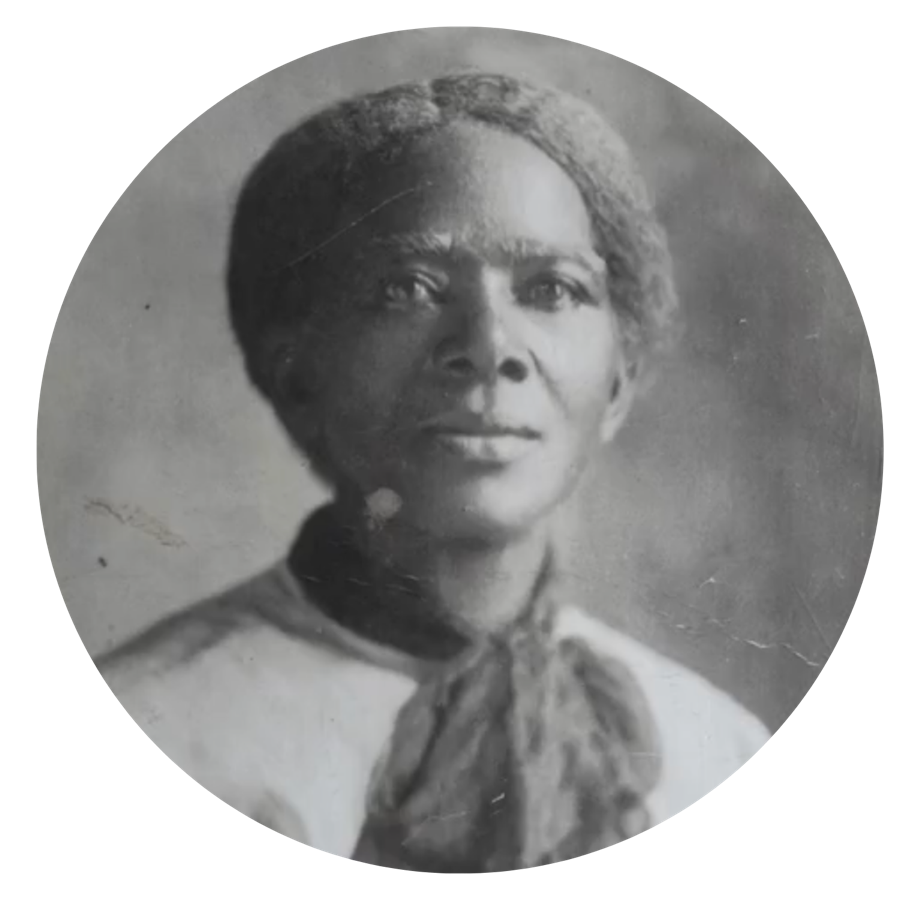
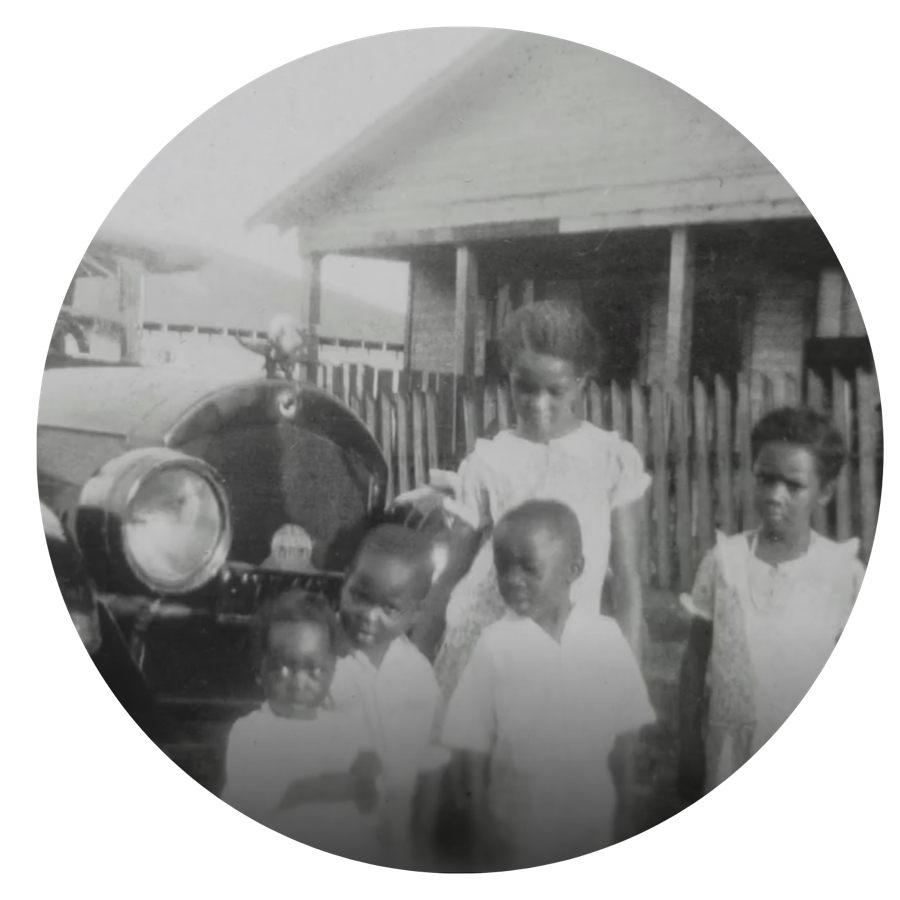
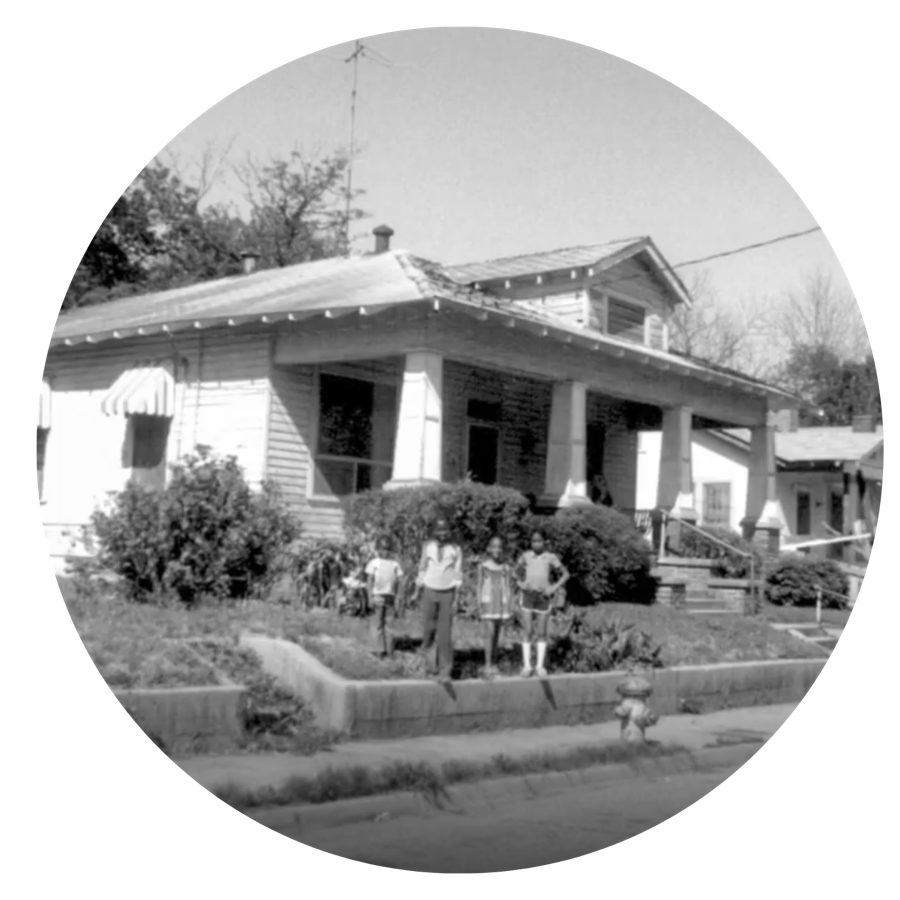
Historian Dr. Alferdteen Brown Harrison recognized the site's significance when it was at risk of loss. Her advocacy helped preserve one of the few surviving places in the United States directly connected to an African American midwife.
“The historical role of the African American midwife was one of hope and health.”Shafia M. Monroe, DEM, CDT, MPHView the source history ↗